
At Carolina Crossing Veterinary Clinic, our team focuses on the health and comfort of your pets by providing expert guidance on flea management. Fleas are small but resilient insects that can cause significant medical issues for cats and dogs, including severe skin irritation and the transmission of tapeworms. Every pet deserves a consistent strategy for parasite prevention to avoid the itching and infections associated with bites. Since these parasites can thrive year-round in our climate, being proactive is a vital step for your pet's wellness.
The Life Cycle of the Flea and Why It Matters
Understanding how fleas grow is essential for effective parasite prevention because most of the population lives in the environment. The adult fleas you see on your dog or cat represent only a small portion of the total infestation. Eggs are laid on the host but quickly fall off into carpets, bedding, and furniture where they hatch into larvae. These larvae eventually spin cocoons and enter the pupae stage, which is highly resistant to common household cleaners. Healthy environments are maintained by treating all animals in the household simultaneously to prevent the parasites from jumping between hosts.
Modern Solutions for Effective Parasite Prevention
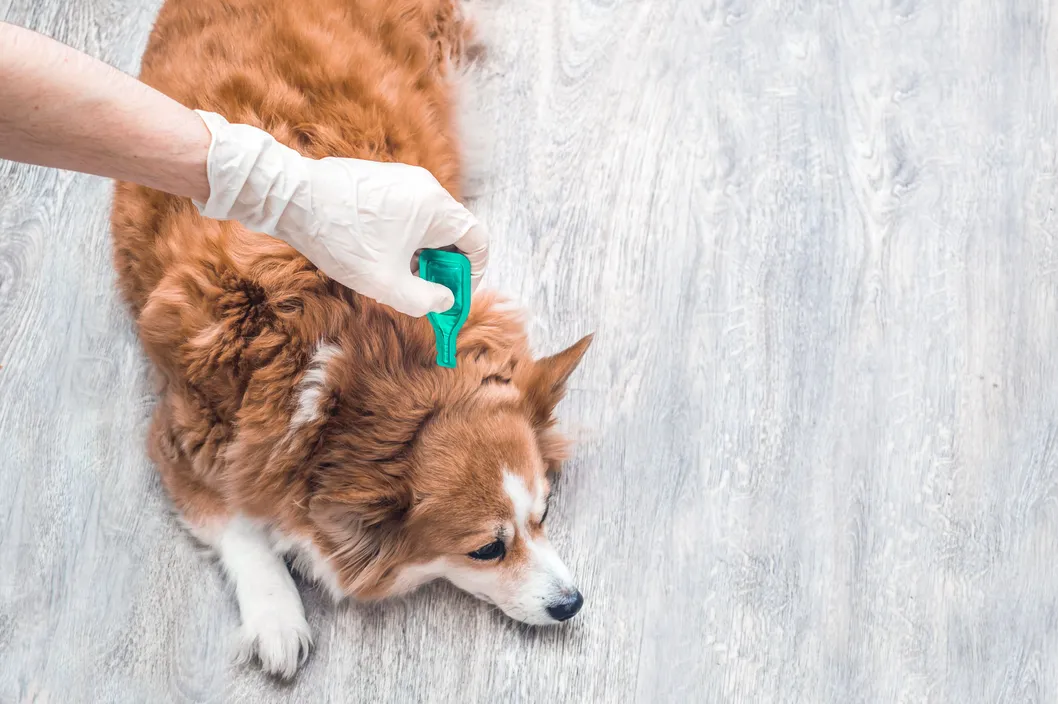
Advanced medical treatments have made it easier than ever for owners to protect their animals from external parasites. Medications are administered either topically or orally and work by interrupting the nervous system of the flea. While some products only kill adult fleas, others contain growth regulators that prevent eggs from ever hatching. High-quality parasite prevention ensures that your pet is protected against fleas as well as ticks and heartworms. Our veterinarian can help you select a formula that fits your pet's specific lifestyle and weight.
Maintaining a Flea-Free Home
The elimination of an active infestation involves more than just treating the animal, as the indoor and outdoor environments must also be addressed. Rugs and pet bedding should be washed in hot water at regular intervals to kill developing larvae. Frequent vacuuming is recommended to remove eggs and stimulate pupae to emerge so they can be killed by environmental treatments. Once a routine is established, the risk of a major outbreak is significantly lowered.
Secure Your Pet's Health Today
Your journey toward a pest-free home and a happy pet is supported by the dedicated professionals at Carolina Crossing Veterinary Clinic. We serve the community of Benson, NC, by providing the advanced medical tools needed to combat parasites. To learn more about our flea control options and to protect your furry family members, reach out to our office today. You can provide a healthier future for your pet by calling Carolina Crossing Veterinary Clinic at (919) 934-7729.